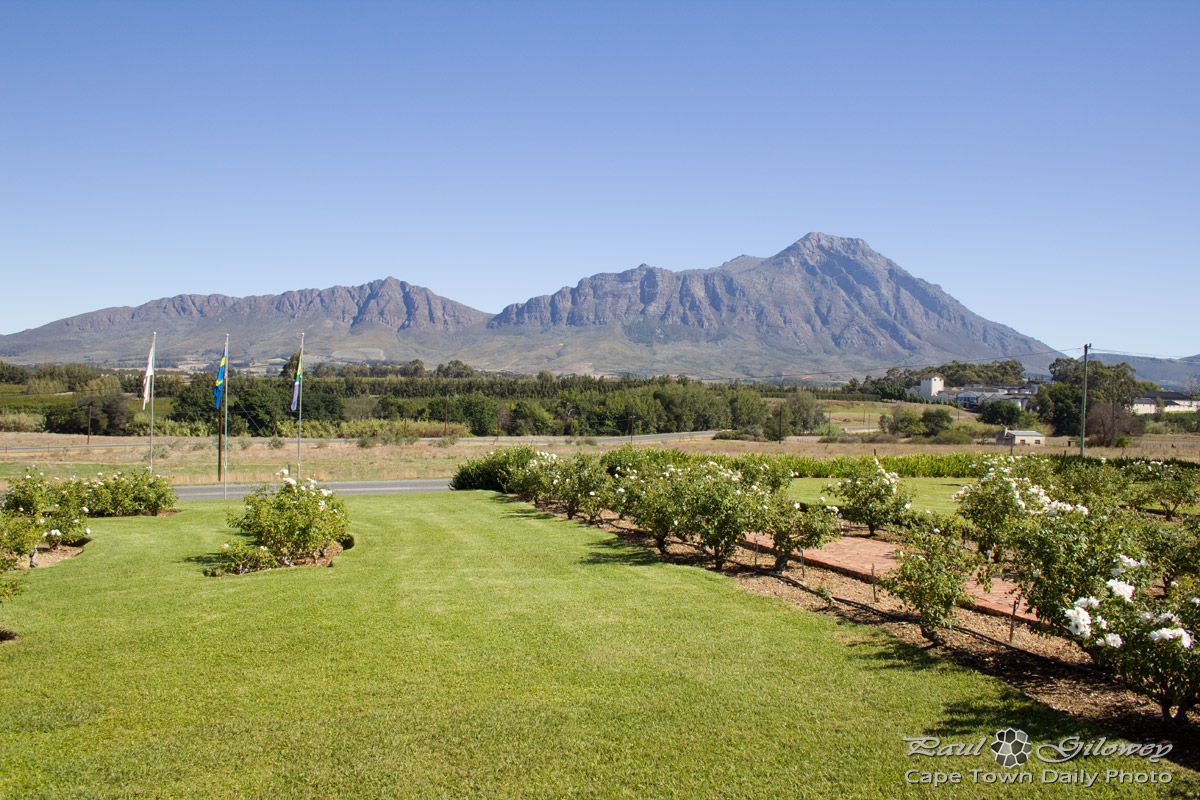
I took this photo from the steps of De Oude Drostdy, the old magistrate's building on the outskirts of Tulbagh. Imagine waking up to this every morning!
I took this photo from the steps of De Oude Drostdy, the old magistrate's building on the outskirts of Tulbagh. Imagine waking up to this every morning!

Most of the Tulbagh area's beauty comes from its terrain. While there's a great deal of wide open space (which is good for clearing one's mind), the area is completely surrounded by mountains - which are in some way very comforting. I, like all Capetonians, get a bit weirded-out if all I'm able to see is barren flatness with no mountains in sight. It's difficult to explain really. :)
Take a few moments to browse this satellite image - you'll see what I mean by surrounded!

On our first night in Tulbagh we tried a small Belgian restaurant, the name of which I can't quite recall now - but no-matter, it's easy to find. :) The restaurant is operated by what appears to be a retired gentleman and his charming wife (whom I believe is the chef), and is about the closest thing to fine-dining that I believe you'll find in a rural town like Tulbagh. It's certainly worth a visit, so if you overnight in the town, do give them a try.

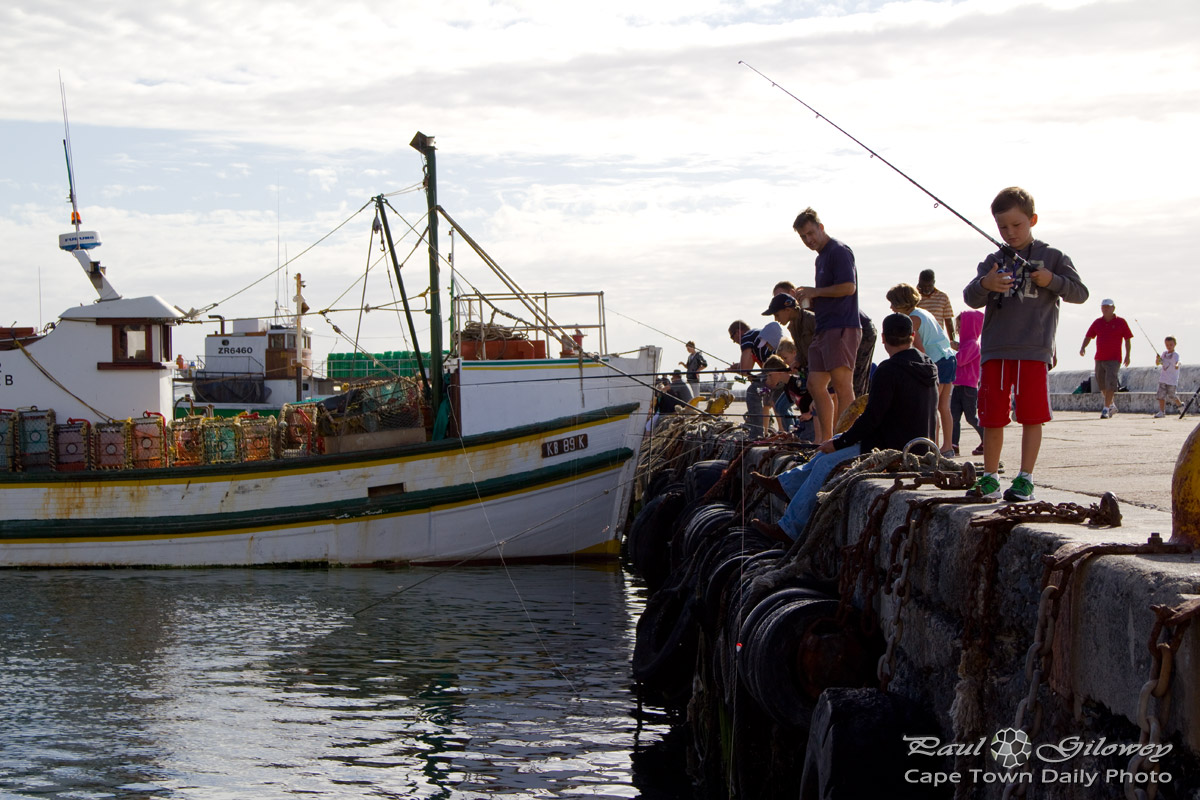
The best time to go would be an hour or so before lunch time - just to make sure that you get a seat. You'll find the restaurant located close to the water's edge, inside Kalk Bay harbour.
And, if you're wondering why it's so empty... it's because this photo was taken a little while after 8am, while the restaurant was closed. :)

The side of the building that faces Main Road has large glass windows that allow the morning brightness to flood the restaurant. I'd hoped we could have a bite to eat at the bakery's restaurant, but it seems as though it's popular enough that one would have to book in advance to get a seat. So alas, we moved on to an alternative restaurant that was ok, but not quite as awesome as I think Olympia would have been.
We'll have to make a plan to return - perhaps for breakfast and then hop over the road for lunch at Kalky's! :)
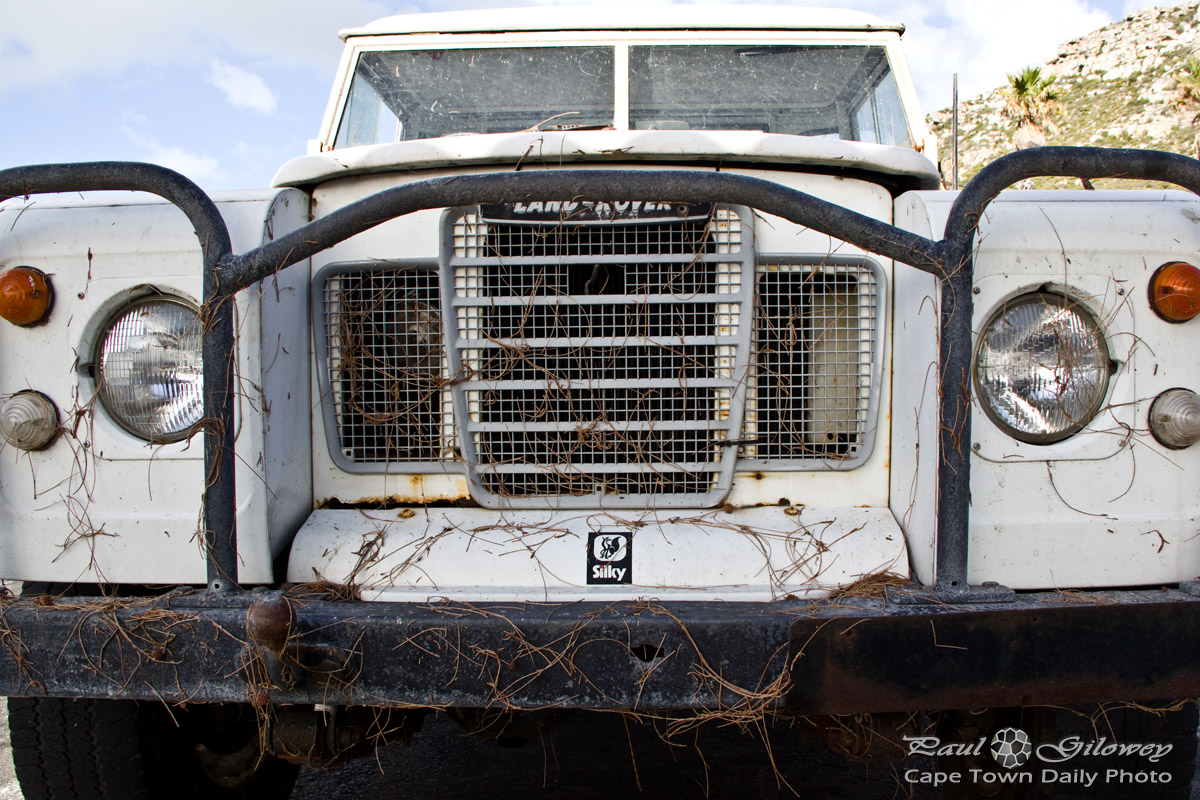
Land Rovers have been so pervasive in Africa over the last 20 or 30 years that finding desperately needed spare parts on old broken-down Landy is very likely - even in the remotest of African villages. The same cannot be said for modern, albeit awesome, 4x4s. What that says for the Land Rover's durability is an arguing point that my Toyota friends would certainly pose, but in reality it's true, any vehicle is prone to failing at some point and it's undeniable that having a ready supply of old parts is always super-useful.
That said, I'd probably rather road-trip though Africa in a comfy new 4x4 and fork out the money for a satellite phone than take a 4,000km trip in one of these rattle-traps. :)

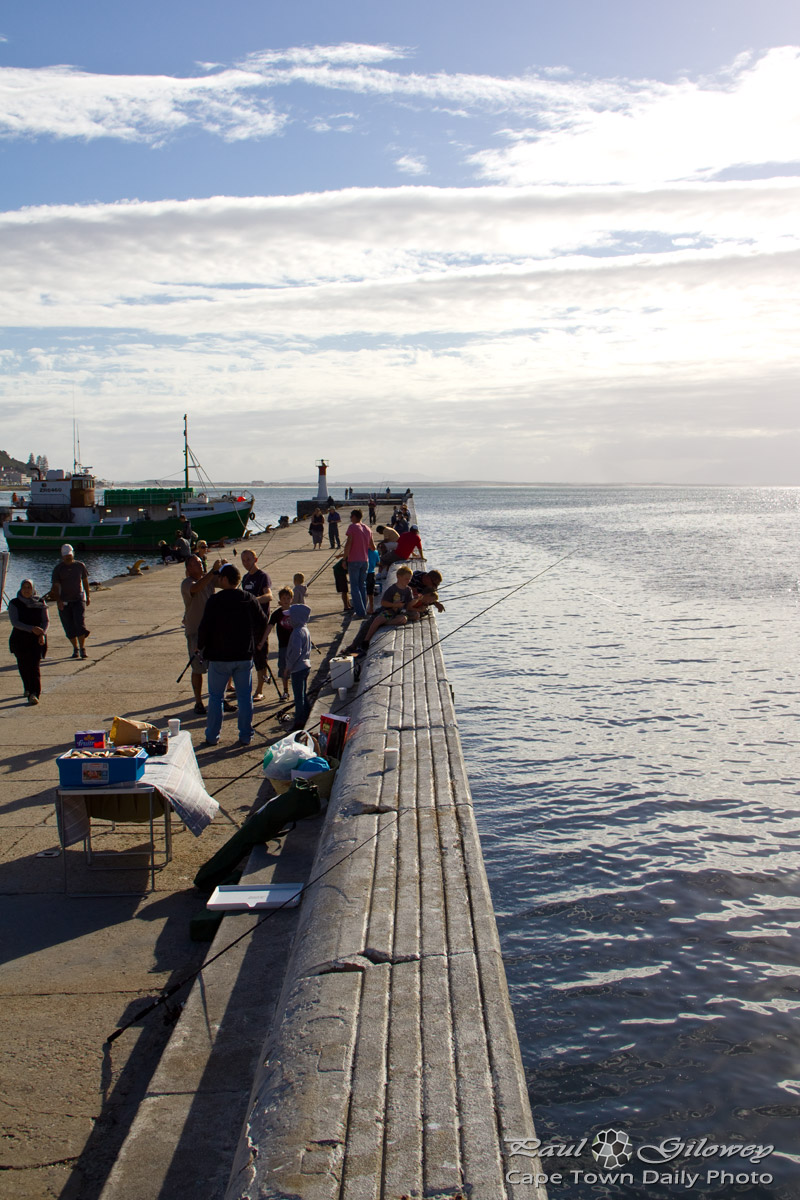

Tourists and locals alike can buy cheap day-traveler hop-on-hop-off tickets at Cape Town station. Besides for sticking to daylight hours, the only advice I'd give is to head out early and to try and pick a sunny, windless day.
Doesn't that sound like fun?


If you've ever wondered (as one does) how to calculate how much force is required to lift a heavy object using pulleys then take a look at this quick demonstration and formula on the Dynamic Science site. It's so simple, even I got it!

Through the doors you're able to see an industrial area, located just outside of Cape Town city, named Paarden Island. I find it super-interesting to drive around industrial areas - to see the types of businesses that operate. It's often really surprising what one finds! If you haven't done so before then perhaps you should take a drive through an industrial area. Really, it can be interesting. :)

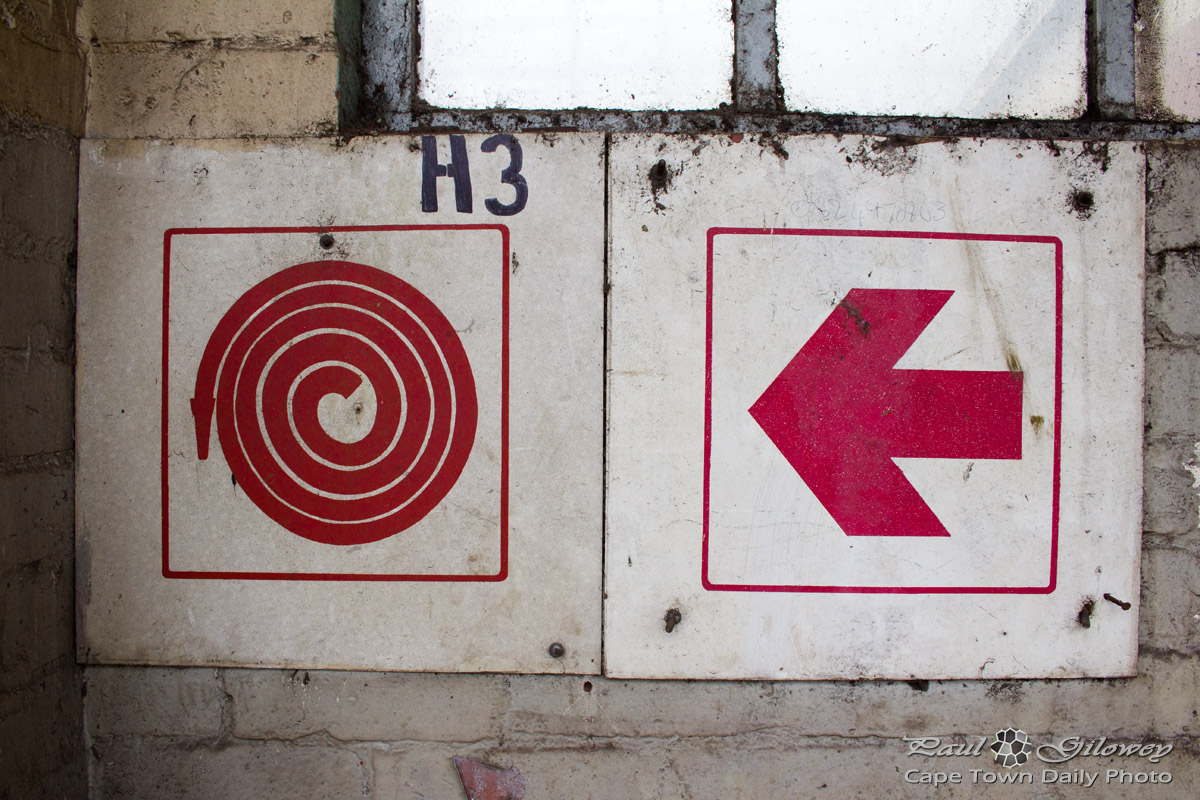
Speaking of hoses and snakes - if you don't speak Afrikaans you may find it interesting to know that the Afrikaans word for garden hose is tuinslang (pronounced tain-slung), which translated literally means "garden snake".

Only now did I notice that there appears to be something resembling a picture frame to the right of the stairs. How very strange.


There was nobody else about and the old building was airy and spooky - and, I can't deny that I felt the need to keep checking over my shoulder.

The object in this photo is the end of a train-carriage; the part that hooks on to the next carriage. I wonder if carriage horns should normally be lubricated and if this sign was painted on the horn to indicate to the guys who normally maintain the carriages that this one had been decommissioned and should no longer be lubricated. I'm not sure - do you know?


Seriously though, a Shunter is the person responsible for switching the tracks onto which approaching trains will be guided. The process is called "shunting", hence the title Shunter.
I'm sure you can imagine that it really is a good idea to wait for the Shunter to finish shunting. :)
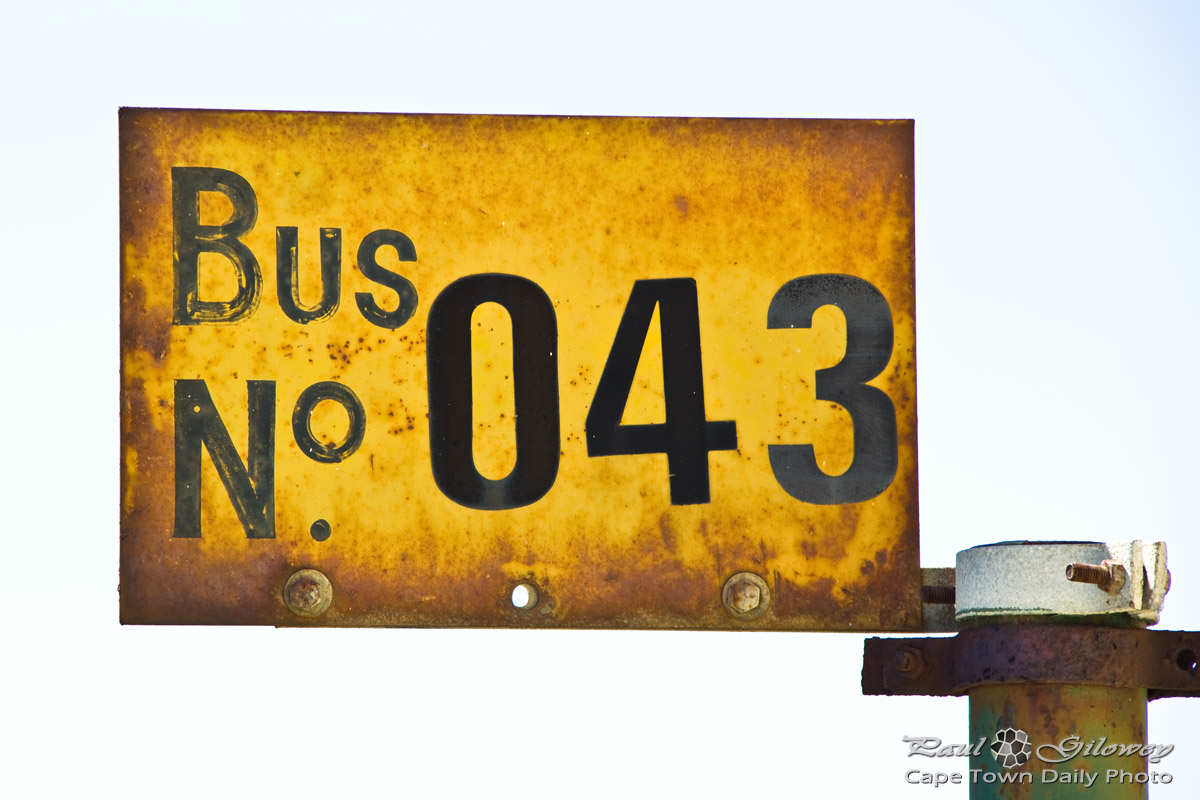
Many years ago, probably up until around the time my dad was born (which was a long time ago, dad ;) ) Cape Town use to have a tram system. In 1935 the city introduced its first trolleybus (which looked a lot like the buses we know today) which gradually led to the tram system being decommissioned in 1939.